Smart Small Bathroom Ideas for Maximum Space
By
Isabella
Date
January 20, 2026
Read Time
4 min read
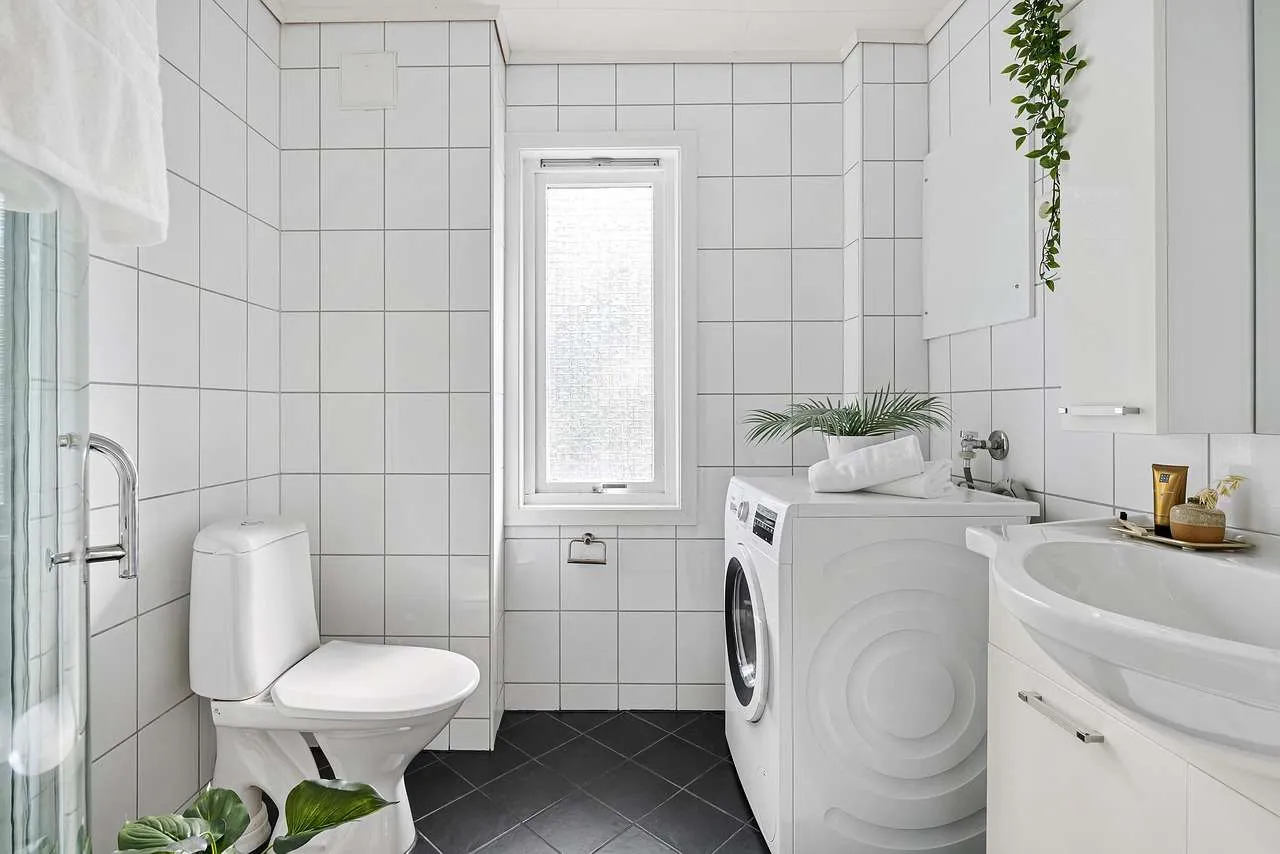
Small bathrooms impose design constraints, but they also unlock opportunities to create a space that feels bigger, brighter, and more organized. The core idea behind small bathroom ideas is to maximize every inch with thoughtful layout, durable materials, and multi functional fixtures. In this guide, we share practical, experience based strategies to help you plan, execute, and enjoy a highly functional compact bathroom. These recommendations align with design best practices and are suitable for homes, apartments, and rentals.
Smart space planning for small bathrooms
Start with a clear plan that prioritizes circulation and accessibility. Measure width, depth, and door swing; aim for at least 36 inches of clear walkway where possible. Use a vertical grid: tall, slim storage units and wall mounted fixtures keep floors visually open. In tight spaces, pocket doors or bi fold doors reduce obstruction. When possible, place the toilet and vanity on opposite walls to create a simple traffic pattern and to accommodate a larger shower or bath niche.
- Choose a compact vanity with integrated storage to hide daily essentials.
- Install wall cabinets or recessed niches to keep floor space uncluttered.
- Use a frameless, clear glass shower enclosure to visually widen the room.
Color, finishes, and visual tricks
Light colors reflect more light, making small rooms feel bigger. Soft whites, warm neutrals, or pale pastels can create an airy mood when paired with glossy surfaces. Use large format tiles on walls or floors to reduce grout lines, and align tile grouts with the wall for a seamless look. A consistent color palette across walls, vanity, and shower helps the space feel cohesive. Mirror every opportunity: a large mirror or mirrored cabinet doubles the perceived size while providing storage.
Storage solutions that save space
Smart storage is the backbone of small bathroom ideas. Recessed niches in the shower, a medicine cabinet with internal shelving, and vanity units with drawers maximize utility without crowding foot traffic. Over the toilet shelves, corner shelves, and towel racks mounted on doors free up vanity space. When possible, choose a vanity with a shallow depth and soft close drawers to maintain a sleek profile.
Multi functional fixtures
Multi use components stretch every dollar. Consider a wall hung toilet with a compact, wall mounted sink or a combined vanity and medicine cabinet. A sliding or pocket door reduces awkward door swings, while a fold down bench or seat in the shower adds comfort without clutter. If you love baths, a deep soaking tub is often bulky; a modern shower with a built in bench or a compact tub can be a better compromise.
Lighting and ventilation
Layered lighting is essential. Use a bright, moisture rated ceiling light for general illumination, add task lighting around the mirror, and consider cove lighting to add depth. LED strips in niches and around the vanity create a sense of space. Good ventilation prevents mold and helps preserve finishes; a quiet, appropriately sized fan is a sound investment in every small bathroom.
Budget comparison: Low vs. high options
| Aspect | Low Budget | High Budget |
|---|---|---|
| Storage | Floating baskets and over the door organizers | Custom cabinetry with built in niches |
| Fixtures | Standard compact vanity | Wall hung vanity with soft close drawers |
| Tile | Porcelain tile, small format | Large format porcelain, coordinated with wall color |
| Lighting | Basic ceiling light | Layered lighting with dimmers |
Materials, maintenance, and longevity
Choose durable, water resistant materials that withstand humidity and frequent cleaning. Porcelain, quartz, and solid surface tops resist staining, while epoxy grout reduces maintenance. Seal grout periodically and choose top grade waterproof membranes for showers. High quality fixtures cost more upfront but save time and maintenance later, improving long term value and comfort.
Implementation quick guide
1) Assess your space and list must haves; 2) Sketch a simple layout and select multi functional pieces; 3) Source durable materials and professional help for plumbing or electrical work when needed; 4) Install with attention to waterproofing and alignment to reduce future repairs.
Conclusion, small bathrooms can feel larger and more functional with careful planning, light palettes, strategic storage, and quality fixtures. By following a clear plan, prioritizing vertical space, and investing in reliable finishes, you create a space that serves daily needs while enhancing home value.
Related Articles

Bathroom Decor: Modern Ideas & Tips
Read More >